
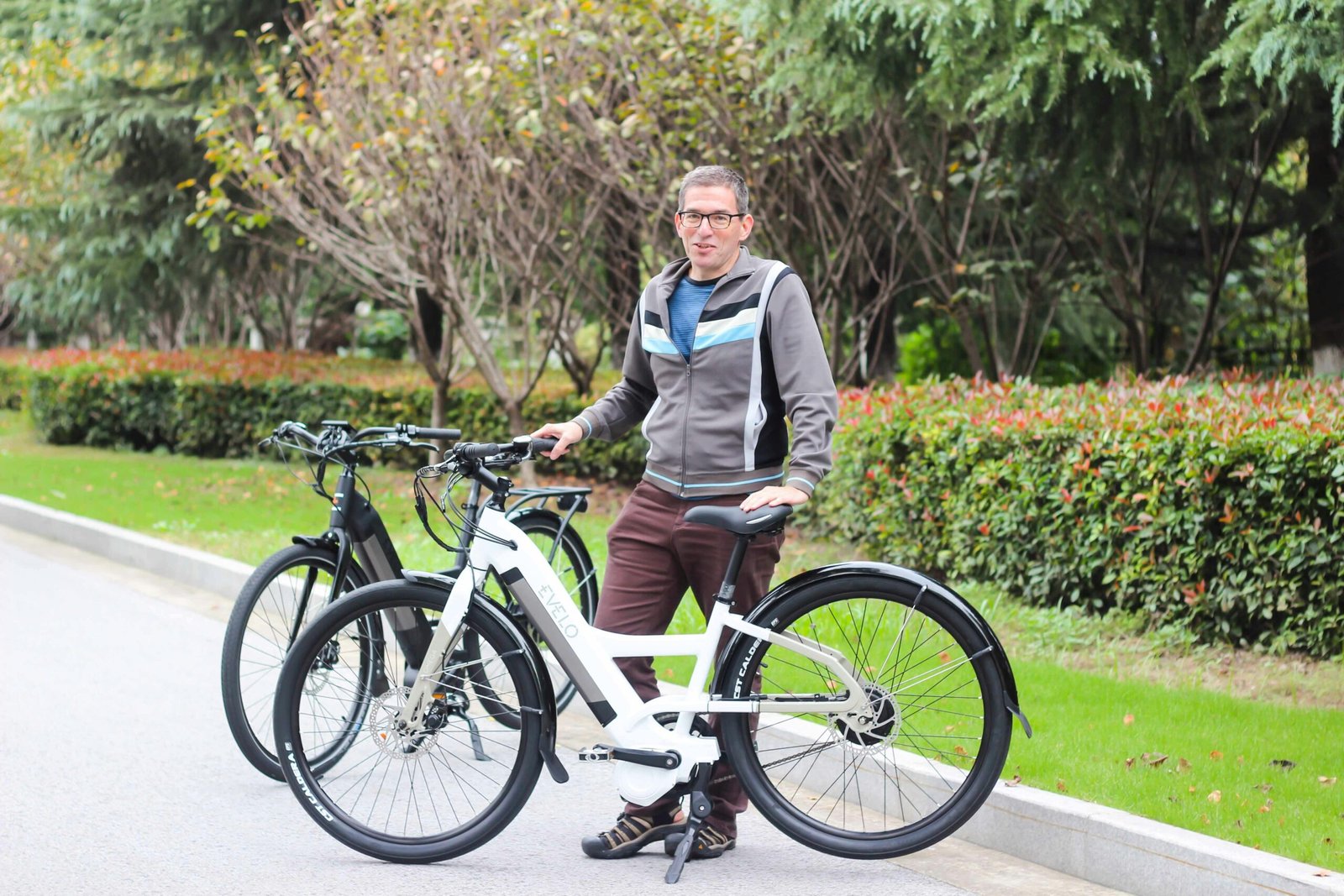
Introduction
Electric bikes are transforming urban commuting, offering a faster, cleaner, and more enjoyable way to get around the city. However, choosing the right e-bike can be overwhelming with so many options available. From battery range to motor type, understanding your needs is essential to make a smart purchase. This guide will help you select an electric bike that matches your lifestyle while keeping your ride safe and comfortable.
Understand Your Commuting Needs
Daily Distance & Battery Range
The first step in choosing an e-bike is to consider your daily commute distance. Battery range varies by model and usage. For city commuting, a bike with 30–50 km of range is usually sufficient for most daily rides. Remember, factors such as rider weight, terrain, and assist mode can impact range.
Speed Requirements
Some e-bikes offer pedal-assist only, while others allow full throttle. Determine whether you need higher speed options for longer distances or just moderate assistance for city streets. Always check local regulations, as many cities limit e-bike speed to 25 km/h (15.5 mph) for safety compliance.
Terrain Considerations
City streets vary from smooth asphalt to uneven paths. If your commute includes hills, consider a mid-drive motor for better climbing power. Flat urban areas may allow for hub motor bikes, which are often lighter and more affordable.
Motor Types and Power
Hub Motors vs Mid-Drive Motors
- Hub Motors: Located in the wheel hub, these provide smooth assistance for flat terrain and are easier to maintain.
- Mid-Drive Motors: Located near the pedals, offering better torque for hills and varied terrain.
Choosing the right motor ensures a comfortable and efficient ride that matches your city environment.
How Power Affects Your Ride
E-bike motors range from 250W to 750W. For urban commuting, 250–500W is usually sufficient. More powerful motors consume more battery, so balance speed needs with range efficiency.
Comfort and Design Factors
Frame Size & Geometry
A proper fit is essential for comfort and safety. Stand-over height, frame material, and geometry affect your posture and fatigue. Aluminum frames are lightweight and durable, while steel frames provide extra comfort and shock absorption.
Seat, Suspension, and Handlebars
Look for ergonomic seats, front suspension, and adjustable handlebars. These features reduce strain and make your ride smoother, especially on bumpy city streets.
Safety and Reliability Features
Brakes & Tires
Reliable braking is crucial. Most e-bikes feature disc brakes, which perform well in all weather conditions. Tires should offer grip for wet streets while remaining efficient for city riding.
Lights and Reflectors
City commuting often involves riding in low-light conditions. Ensure your e-bike comes equipped with front and rear lights and reflective elements for visibility.
Conclusion
Choosing the right electric bike for city commuting requires careful consideration of distance, motor type, comfort, and safety features. By understanding your needs and evaluating options, you can select a bike that provides a reliable, enjoyable, and efficient commute.
Explore VoltyBike models to find high-quality electric bikes designed for city life, backed by safety-tested components and dependable battery performance.